How to Build a Food Delivery App Like Zomato in 2026 ?

Abservetech
Oct 26, 2026 · 8 min read ·723
AI Summary
A Zomato clone app is a mobile or web-based platform that allows customers to order food from nearby restaurants, cafes, and grocery stores and have it delivered to their doorstep.
Table of Contents
Hungry customers don’t want to cook—they want their favorite food delivered with just a few taps!
As online food ordering continues to grow, the global online food delivery market is projected to reach $505.5 billion by 2030, creating new opportunities for businesses to launch a food delivery app like Zomato and reach more customers.
With Abservetech’s Zomato clone script, you can launch your own branded food delivery platform with features designed to manage orders, restaurant listings, payments, and deliveries.
In this guide, we’ll explain how to build a food delivery app like Zomato in 2026, covering essential features, technology choices, development cost, and revenue models to help you plan your business.
What Is a Zomato Clone App?
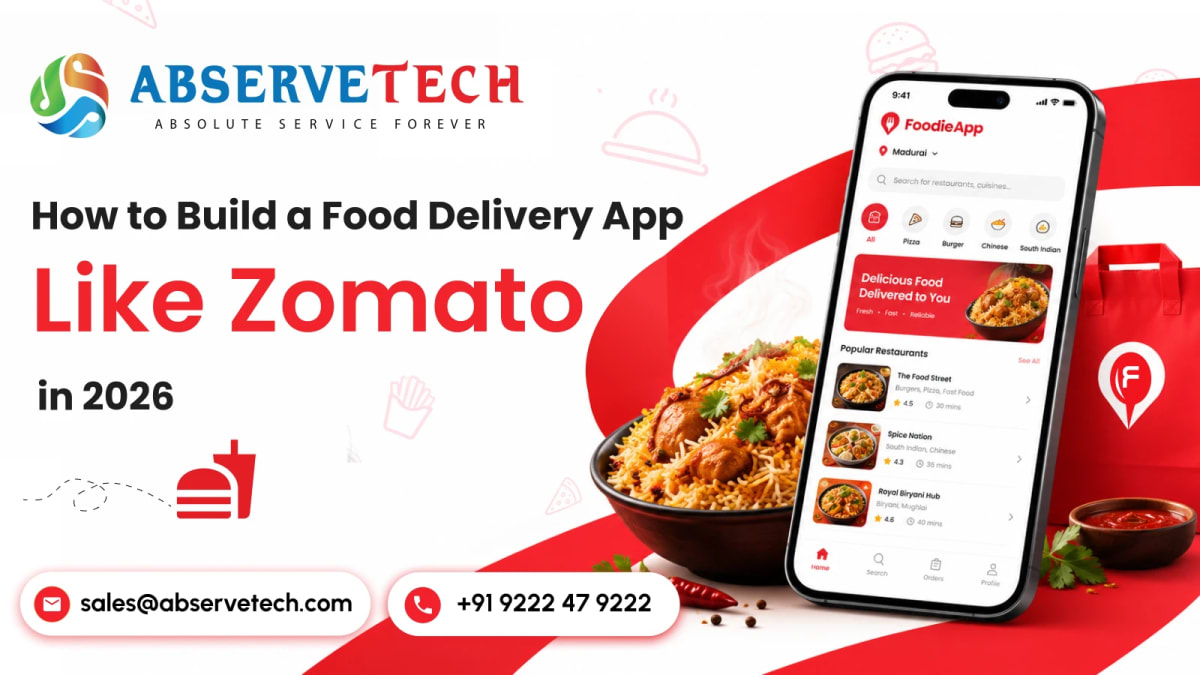
A Zomato clone app is a mobile or web-based platform that allows customers to order food from nearby restaurants, cafes, and grocery stores and have it delivered to their doorstep.
Modern food delivery apps offer a wide selection of restaurants and cuisines, helping customers compare restaurants, menus, prices, ratings, and delivery times. Features like real-time order tracking, delivery status updates, and estimated arrival times help customers stay informed throughout the delivery process.
How Does a Food Delivery App Work?
A Zomato clone app brings customers, restaurants, and delivery partners together to make food ordering simple and convenient. From choosing a restaurant to receiving the order, each step is managed through the app. Here’s how the process works:
Browse Restaurants: Customers explore nearby restaurants, check menus, and choose their favorite dishes.
Place an Order: Customers add food to their cart, select a delivery address, and complete payment.
Restaurant Prepares the Order: The restaurant receives the order, confirms it, and starts preparing the meal.
Assign a Delivery Partner: The platform connects the order with an available delivery partner.
Deliver the Order: The delivery partner picks up the food and delivers it to the customer, while the food delivery app provides order status updates and tracking.
How to Build a Food Delivery App Like Zomato?
Creating a food delivery app starts with understanding your target customers and the type of service you want to offer.
Step 1: Choose Your Business Model
Choose a business model that fits your budget and target customers. You can build a multi-restaurant marketplace, use a Zomato clone script for your own restaurant, or offer services such as cloud kitchen delivery and meal subscriptions.
Step 2: Identify the Essential Features
Start with the features your platform needs to manage food orders smoothly. These include restaurant listings, menus, cart and checkout, online payments, order tracking, and an admin dashboard. You can add advanced features as your business grows.
Step 3: Define Your MVP Feature Set
Start with a Minimum Viable Product (MVP) that includes essential features such as food ordering, push notifications, basic location tracking, and secure payments. Add advanced features like customer reviews and social interactions as your business grows.
Step 4: Create UX Designs and Prototypes
Plan how customers, restaurant partners, and delivery partners will use your Zomato clone app. Create wireframes and interactive prototypes to show the screen layouts, navigation, and ordering process.
Step 5: Choose the Right Technology Stack
Select the technologies needed to build and run your Zomato clone app. Consider options such as Flutter or React Native for mobile app development and choose a suitable backend and database to manage orders, payments, and customer information.
Step 6: Set Up Secure Payment Options
Make ordering convenient by offering multiple payment methods. Integrate a reliable payment gateway and plan how refunds and restaurant payouts will be handled.
Step 7: Testing Before Launch
Test the food delivery app before launch to make sure ordering, payments, and delivery tracking work correctly. After launching, monitor performance, collect customer feedback, fix issues, and update features to improve the user experience.
Essential Features to Build a Food Delivery App in 2026
A Zomato clone script needs features across four panels. Here’s what each panel should include.
Customer App Features
Quick and Easy Sign-Up: Sign in easily using a phone number and OTP, Google or Apple account, or social media account.
Smart Search & Filters: Help users find restaurants and dishes by searching for their favorite food and filtering results by cuisine, dietary needs, price, ratings, and delivery time.
Live Order Tracking: Track orders on a live map with updates at every stage, from restaurant confirmation to delivery, along with estimated arrival times.
Flexible Payment Methods: Support convenient payment methods, including credit and debit cards, UPI, digital wallets, and cash on delivery.
Ratings and Feedback: Allow customers to rate the restaurant, food quality, packaging, and delivery service, and share feedback about their experience.
Restaurant App Features
Menu and Inventory Management: Update item availability in real time, mark dishes as out of stock, edit prices, add daily specials, and organize menu items by cuisine.
Order Management: Allow restaurants to accept or reject incoming orders, set estimated preparation times, and generate and print invoices automatically.
Offers and Promotion Setup: Create discount bundles, flat-off coupons, and sponsored promotions to attract more customers and increase restaurant visibility.
Analytics and Payment Reports: Track daily and monthly revenue, commission deductions, payout schedules, and customer orders through a clear financial dashboard.
Delivery App Features
Availability Status: Let delivery partners switch between online and offline modes to control when they receive delivery requests.
Live Navigation and Route Guidance: Use in-app GPS navigation and optimized routes to reach pickup and delivery locations faster.
Earnings and Payment Tracking: Track daily deliveries, tips, incentives, and total earnings in real time.
Delivery Confirmation: Upload delivery photos or capture digital signatures to confirm successful order handovers without direct contact.
Order Request Management: Accept or decline incoming delivery requests directly through the app.
Admin Panel Features
Admin Dashboard: Monitor active orders, registered users, restaurant partners, and platform revenue from one centralized dashboard.
Commission and Payment Management: Set restaurant commission rates and manage delivery partner payments based on your platform’s pricing structure.
Content and Banner Management: Control home-screen promotional banners, featured restaurants, and push notification campaigns.
Dispute and Refund Management: Handle customer complaints, process refunds, and review flagged feedback efficiently.
Delivery Assignment:Assign orders to available delivery partners and monitor delivery progress through the admin panel.
Next-Gen AI Features for Food Delivery Apps
Smart Order Predictions: Use machine learning to predict customer preferences based on past orders, such as favorite Friday night meals or regular morning coffee.
AI Chatbots & Support Assistants: Provide 24/7 automated support for order tracking, refund requests, delivery changes, and personalized food recommendations.
Smart Route Planning: AI analyzes live traffic, weather conditions, and delivery partner locations to find faster and more fuel-efficient routes.
AI Personalization and Profiling: Analyze customers’ past orders, browsing habits, preferred meal times, and dietary preferences to recommend restaurants and dishes that match their tastes.
Smart Menu Optimization: Use AI to identify low-selling dishes, suggest popular local food items, and improve menu descriptions through automatic translation and rewriting to attract more customers.
Tech Stack for Food Delivery App Development
The technology stack for a Zomato clone app includes mobile and web development tools, backend technologies, databases, and cloud infrastructure to build and manage the platform efficiently.
Frontend: React.js, Next.js, Flutter
Backend: NestJS, TypeScript
Database: PostgreSQL, Redis
Containerization: Docker
Choose a technology stack that supports fast ordering, real-time tracking, secure payments, and future growth.
How Does a Food Delivery App Like Zomato Make Money?
A food delivery app like Zomato can use multiple revenue streams to cover operating and delivery costs while generating profits.
Restaurant Commission Revenue: The platform earns a commission from partner restaurants on each order, with rates varying based on the restaurant agreement and business model.
Delivery and Peak-Time Fees: The Zomato clone app earns revenue by charging delivery fees based on distance, order value, and peak-time demand.
Membership and Loyalty Plans: Offer monthly or yearly membership plans with benefits like free delivery, exclusive discounts, and special deals in exchange for a recurring fee.
In-App Ads and Featured Listings: Restaurants pay to promote their listings through banner ads, featured placements, and higher search rankings to attract more customers.
Zero-Commission Revenue Models: Some food delivery platforms do not charge restaurants a percentage commission on each order. Instead, they may earn revenue through fixed subscription fees or service fees, depending on their business model.
How Much Does It Cost to Build a Food Delivery App?
Building a food delivery app can cost around $20,000 to $150,000 or more for a custom app. A ready-made food delivery app may cost around ₹1.5 lakh to ₹20 lakh or more, depending on the features and changes you need.
The cost depends on your app's features and design. A complete food delivery platform usually includes four parts: a customer app, restaurant app, delivery partner app, and admin panel.
1. White-Label / Ready-Made App
Estimated Cost: ₹1.5 lakh–₹5 lakh
Setup Time: 1–2 weeks
Best For: Small restaurants, cafes, and startups that want to launch quickly.
2. Basic MVP (Custom App)
Estimated Cost: ₹3.5 lakh–₹6 lakh
Development Time: 2–4 months
Best For: Single restaurants and cloud kitchens that need basic food ordering features.
3. Mid-Level Food Delivery App
Estimated Cost: ₹6 lakh–₹12 lakh
Development Time: 3–6 months
Best For: Businesses that want to connect multiple restaurants, customers, and delivery partners.
4. Advanced Food Delivery App
Estimated Cost: ₹20 lakh–₹60 lakh or more
Development Time: 6–12 months
Best For: Large businesses that need advanced features and want to expand into more cities.
Why Choose Abservetech for a Zomato Clone App?
Your food delivery idea deserves a faster start! With Abservetech’s Zomato clone app, you get a ready-made foundation to launch your own food delivery brand without building everything from scratch.
From customer ordering and restaurant management to delivery tracking and payment integration, the solution brings essential features together in one place. You can launch under your own brand, choose a business model that suits your goals, and adapt the platform to your market needs.
Smart Tech, Crispy Bites!
Contact us: +91 9222 47 9222
Mail ID: sales@abservetech.com
Abservetech
Building ready-to-launch clone scripts and custom apps for entrepreneurs worldwide since 2013.
Comments
Leave a comment

Balakanna
Founder & COO of Abservetech Private Limited
With over 12 years of experience in AI, blockchain, and software development, he has worked on 500+ product launches for businesses across different industries. His experience includes crypto exchange development, mobile app development, taxi booking apps, Airbnb clone apps, grocery delivery apps, blockchain solutions, AI agents, and RWA tokenization platforms.
He focuses on building simple, secure, and scalable digital products based on business needs. His goal is to help businesses build high-quality digital products that support long-term growth.
12+ Years
of Experience
- 🚀
500+
Product Launches
AI | Blockchain | Crypto
Expertise
Scalable Solutions
for Long-Term Growth
Have a project in mind?
Talk to our team about turning this idea into a ready-to-launch product.
Get in touchRelated articles
View all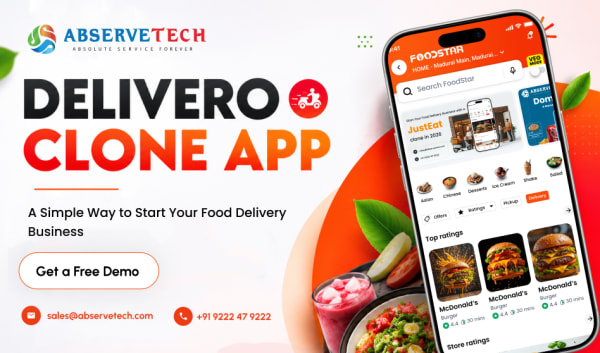 FoodStar - Swiggy Clone
Deliveroo Clone App : A Simple Way to Start Your Food Delivery Business
Food delivery has become a part of everyday life. People want to order food quickly from their favorite restaurants using their phones.
Read article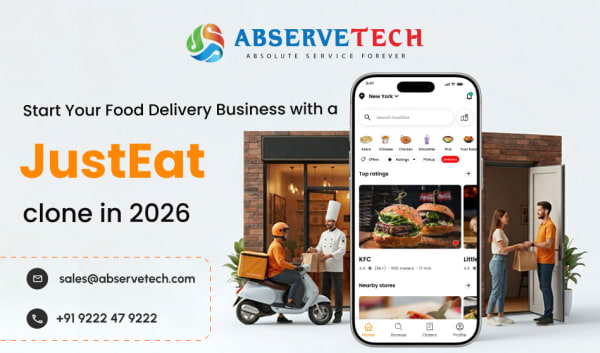 FoodStar - Swiggy Clone
Start Your Food Delivery Business with a JustEat Clone in 2026
The food delivery market is growing rapidly, and 2026 is the perfect time to start your own platform. People prefer ordering food online for convenience, speed, and variety.
Read article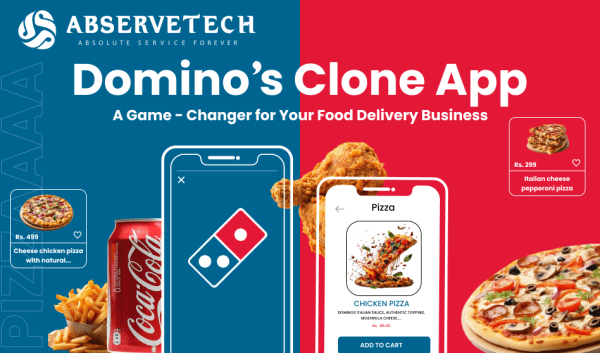 FoodStar - Swiggy Clone
Dominos Clone App: A Game-Changer for Your Food Delivery Business
In today’s fast-paced digital world, pizza delivery apps have become an everyday necessity. Entrepreneurs are now choosing ready-made app solutions like the Domino’s Clone App to launch their pizza…
Read articleGet new articles in your inbox
Join our newsletter for the latest on clone scripts, app development and on-demand business ideas — no spam.